
A real beginner guide to drawing anime faces, eyes, hair, proportions, and style without filler or fake shortcuts.
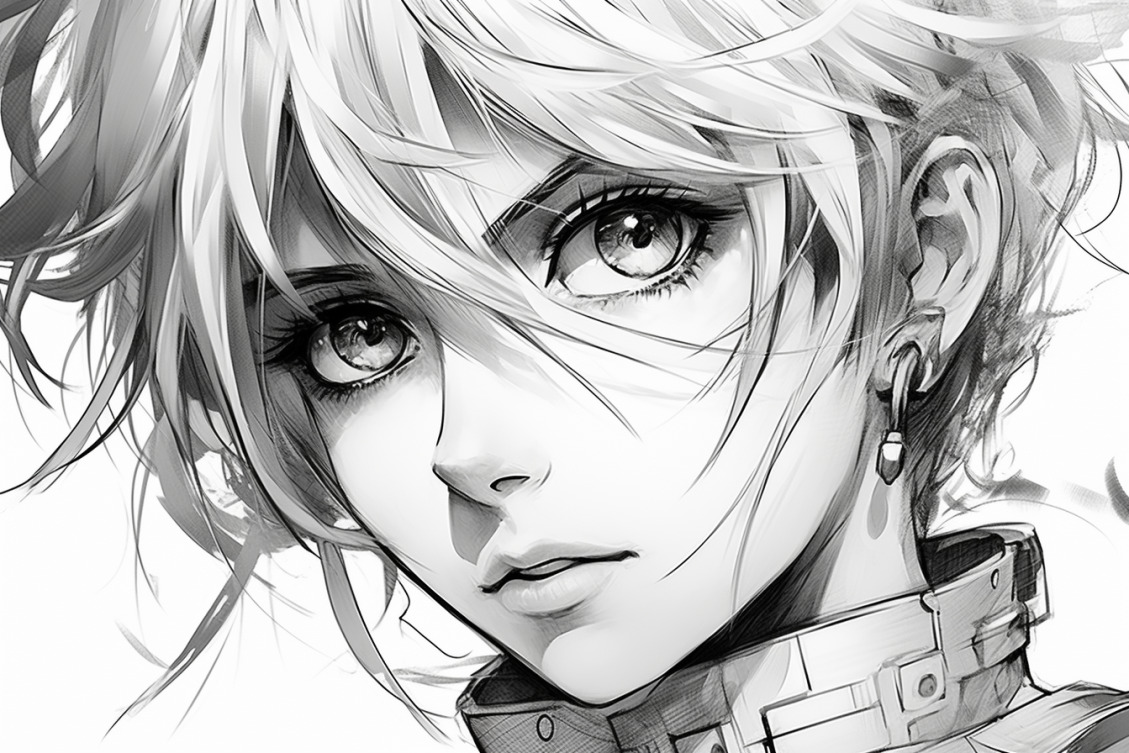
How to Draw Anime: A Beginner-Friendly Guide to Faces, Eyes, Hair, and Style
I still remember the first time I tried to draw anime eyes in a tiny Tokyo cafe and accidentally made my poor character look like she had seen the apocalypse. That is the whole secret, honestly: anime drawing looks effortless when other people do it, but when you start, it is a pile of circles, awkward bangs, and emotional damage. The good news is that anime style is learnable. You do not need to be a genius. You need a process.
Quick Answer
If you want to learn how to draw anime, start with simple head shapes, clear face guidelines, large expressive eyes, and clean hair silhouettes. Practice one skill at a time instead of trying to draw a perfect full character immediately. Faces, eyes, hair, and basic proportions will get you much further than obsessing over fancy rendering too early.
What Makes Anime Art Look Like Anime?
Anime art is not one single style, which is why people get stuck so fast. Studio Ghibli softness, shonen intensity, polished idol gloss, and cute romance manga all feel different. But they usually share a few things: simplified anatomy, expressive eyes, readable silhouettes, and emotionally obvious design choices. Even before I learned technique, I learned to notice shape language. A sharp fringe, sleepy eyes, a tiny fang, oversized sleeves, or a dramatic coat can say more than a hyper-detailed rendering ever will.
If you are starting from zero, do not chase style before structure. First learn to build a face that feels balanced. Then learn how style bends that structure on purpose.
How to Draw Anime Step by Step
1. Start with the head and guide lines
Draw a circle, then add a jaw shape underneath it. After that, place one vertical guideline down the center of the face and one horizontal guideline for the eyes. This is the part beginners skip when they are impatient, and it is exactly why characters start drifting sideways.
2. Place the eyes before you fuss over details
Anime eyes carry so much of the emotion that they can trick you into drawing them too big or too high. Put them lower on the head than you think. Test the spacing. Keep the eye line level. Add simple lashes, iris shapes, and highlights later. If the eye placement is wrong, no amount of sparkles will save it.
3. Keep the nose and mouth subtle
Most anime styles use very little detail for the nose and mouth. That is not laziness; it is design. Use tiny marks, then adjust the expression with eyebrow angle, eyelid shape, and mouth curve. Anime emotion lives in small shifts.
4. Treat the hair like big shapes first
Do not draw fifty individual strands immediately. Start with the overall mass: fringe, side sections, back shape, volume. Then break those into chunky locks. Anime hair usually reads best when the silhouette is clean and the inner details are selective.
5. Build the body with simple forms
Use a neck, ribcage, pelvis, and limb guides before you draw clothing. Even cute stylized characters need internal structure. If you understand where the shoulders, elbows, hips, and knees are, the pose will instantly feel less stiff.
6. Add clothes after the pose works
One of the easiest beginner mistakes is drawing the outfit before the body makes sense. Draw the body first, then let the clothes hang on it. Skirts flare because of movement. Hoodies bunch because fabric compresses. Sleeves wrinkle where arms bend. The clothing should follow the pose, not hide it.
7. Clean the line art
Once the sketch works, simplify. Anime line art looks strong when the shapes are confident and readable. Erase unnecessary construction lines. Keep the jaw, eyelids, bangs, collar, and hands as clean as possible. If your rough sketch looks better than your final line art, you probably overworked it.
8. Shade with intention, not panic
You do not need a twelve-step rendering process on day one. Start with one light source. Add shadow under the hair, chin, neck, sleeves, skirt folds, and anywhere forms overlap. Even flat cel shading can look fantastic if the drawing underneath is solid.
The Fastest Practice Routine for Beginners
If I were starting again, I would stop doing random full-body drawings every night and do this instead:
- Draw ten head shapes from different angles.
- Draw twenty eyes in different moods: sleepy, smug, soft, angry, shy, deadpan.
- Sketch five hairstyles using only silhouette and big clumps.
- Do three full bust-up characters with simple outfits.
- End with one finished piece, even if it is imperfect.
This gives you repetition without becoming boring, and it trains the actual parts that matter most in anime art.
The Easiest Things to Draw First
If you want quick wins, start with:
- front-facing heads
- chibi characters
- simple school uniforms
- basic three-quarter face angles
- single-expression eye studies
- hair silhouettes with one accessory like a bow, clip, or ribbon
This is also why cute anime PFP-style drawings are such good practice. They force you to simplify and make the face readable fast. If you want inspiration, our anime PFP roundup is basically a giant mood board for expressive anime faces.
Common Anime Drawing Mistakes
- Making both eyes too symmetrical. Real faces and good stylization both need small variation.
- Drawing hair as noodles. Think in sections, not spaghetti.
- Ignoring the skull under the hair. Leave space for volume.
- Over-rendering too early. Clean structure beats fancy shading.
- Using no references. You are not cheating. You are training your eye.
- Copying one style too literally. Study from it, then remix what you learn.
Digital vs Traditional: Which Is Better?
Both are fine. Traditional drawing teaches control and confidence because you cannot endlessly undo every line. Digital drawing is easier for iteration, coloring, layer-based corrections, and experimenting with style. If your goal is simply to get better, use whatever gets you drawing more often. The best tool is the one that keeps you from making excuses.
If you want help with digital style exploration, our pages on best AI anime girl generators and waifu generator alternatives can be useful for reference, color ideas, hairstyle experiments, and character concepting. Just do not let the tool replace your actual hand practice.
How to Build Your Own Anime Style
This is the part everybody wants to skip to, because “finding your style” sounds romantic. But style usually appears after repetition, not before it. Mine changed every time I got obsessed with a different visual mood: glossy idol lashes, old-school shoujo sparkle, Ghibli softness, darker fashion-editorial silhouettes, dramatic black coats in the rain. Tokyo will do this to you. You walk through a station, see three incredible outfits, then go home and suddenly all your characters have better jackets.
The trick is to study specific things, not vague beauty. Pick one artist or one show and ask:
- How do they draw eyes?
- How sharp or soft are the jaws?
- How much detail is in the hair?
- How stylized are the hands?
- What kind of mood does the line weight create?
Then steal the principle, not the exact face.
Beginner FAQ
How long does it take to get good at drawing anime?
If you practice consistently, you can see clear improvement in a few weeks. If you want polished character art that feels intentional, think in months and years, not days. The good news is that anime drawing is very rewarding early on because even small improvements show up fast.
Should I learn anatomy before anime?
You do not need to master full anatomy first, but learning basic head structure, shoulders, torso rhythm, hands, and legs will make your anime art much stronger. Stylization works best when you understand what you are stylizing.
What should I practice first?
Faces, eyes, hair, and simple upper-body poses. Those four things will improve most beginner anime art faster than anything else.
Is it okay to use references from anime screenshots or manga panels?
Yes, for study. The goal is to understand why the design works. Over time, combine references from multiple places so your work stops looking like a direct copy.
Where to Go Next
If you are learning anime drawing because you love the characters and aesthetics, keep the feedback loop fun. Study faces from favorite series. Sketch a PFP. Redesign an outfit. Turn a fandom crush into an original character. That is how people actually keep going long enough to get good.
Related reading:

Leave a Comment