
A clearer waifu definition with history, modern usage, healthy fandom framing, and bottom routes into PFPs, rankings, tools, and AI companion intent.
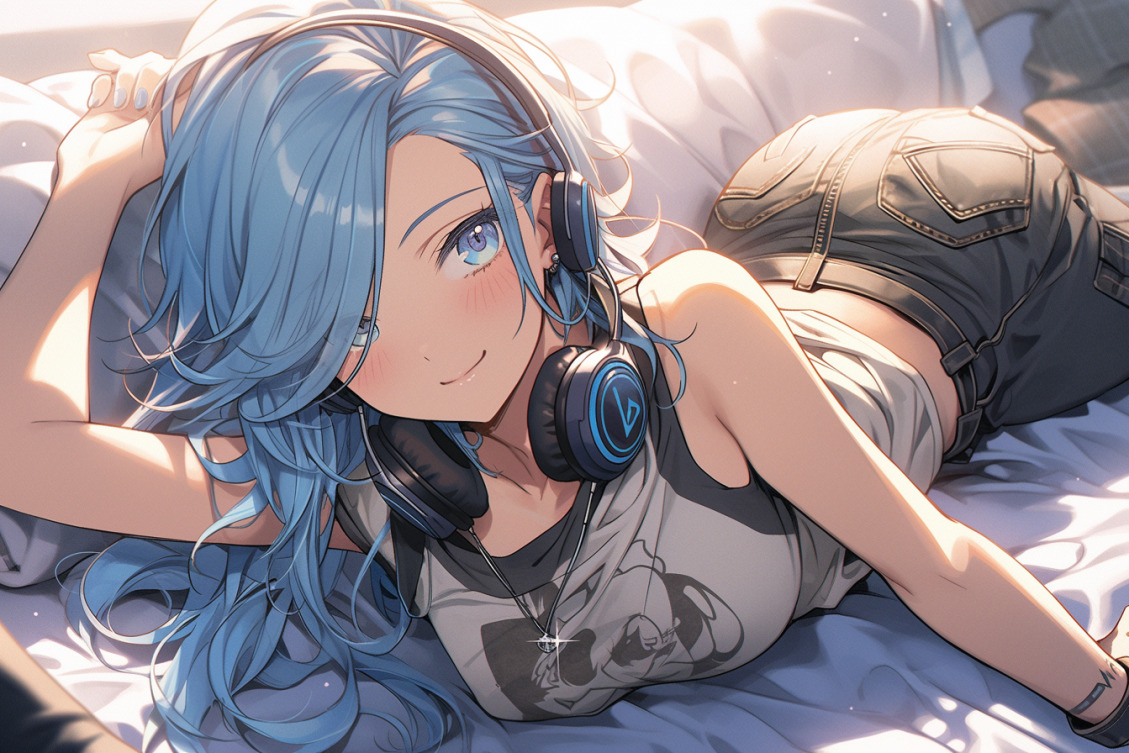
What Is a Waifu? Meaning, Definition, and Why Anime Fans Use the Word
Waifu meaningAnime slangFandom
The word waifu is one of those internet-fandom terms that started as a joke, got absorbed into anime culture, mutated across forums and social media, and somehow ended up becoming both a meme and a sincere emotional category at the same time.
Which is honestly very on-brand for anime fandom.
I live in Tokyo, I spend a frankly unreasonable amount of time around anime culture, and I can tell you this much: when people ask “what is a waifu?” they are usually not just asking for a dictionary definition. They are asking what the word means now, why people still use it, and why some fans say it with irony while others say it with the emotional gravity of a wedding vow.
Quick answer
A waifu is usually a fictional female character that someone feels deeply attached to, romantically, emotionally, aesthetically, or all three at once. The word came out of anime-internet culture and has broadened over time. Sometimes it means “my favorite girl.” Sometimes it means “the character I am irrationally devoted to.” Sometimes it means a mix of admiration, comfort, attraction, and identity.
Where the word came from
The internet origin story most people reference points back to anime fandom and old forum culture, where “waifu” took off as the jokey, English-sounding way to describe a fictional ideal partner. Over time it escaped the original joke format and became part of mainstream anime slang.
That is the thing about fandom words: once enough people use them earnestly, the irony starts dissolving.
Now “waifu” is one of those terms almost everyone in anime spaces recognizes, even if they define it a little differently.
What a waifu means now
The simplest definition is “a female fictional character you love more intensely than is probably socially elegant.”
But the real answer is wider than that.
For some people, a waifu is their favorite anime girl. For others, it is specifically a character they are romantically attached to. For others, it is a character whose design, personality, vibe, voice, aesthetic, or emotional arc has fused itself permanently into their brain chemistry.
That is why the term keeps surviving. It is flexible enough to hold a joke, a crush, a comfort object, and a taste identity all at once.
Waifu does not always mean “I want to marry her”
This is where a lot of older explanations get clumsy.
Yes, the classic joke version of waifu is basically “this fictional woman is my wife now, thank you.” But in modern fandom, the word is often looser. People use it for characters they adore, defend, collect merch of, make profile pictures of, or emotionally imprint on, even when the feeling is not literally romantic.
Sometimes waifu means attraction. Sometimes it means devotion. Sometimes it means “her character design altered my personality.”
All of that is legible inside fandom.
Why people get so attached
I think people outside anime spaces mock this because they underestimate how attachment works in fandom generally.
Characters are not just drawings. They carry stories, moods, fantasies, values, aesthetics, and emotional timing. A character can arrive when you are lonely, exhausted, obsessed, heartbroken, creatively hungry, or just in the exact right phase of life to get destroyed by one good monologue and a pair of impossible eyes.
That attachment can be funny, sure. But it can also be completely sincere.
If a character makes you feel seen, comforted, challenged, inspired, or aesthetically possessed, it is not that weird that she stays with you.
Waifu culture online
Waifu culture has grown way beyond the old forum version. Now it shows up in:
- best girl arguments
- merch collections
- profile pictures
- dakimakura and body pillow culture
- AI-generated waifus and companion tools
- ranking lists, edits, memes, and fan art
Some of it is sweet. Some of it is unhinged. Some of it is hilarious. Some of it is deeply commercial. Most of it is more emotionally revealing than people want to admit.
What I think a healthy waifu take looks like
I love waifu culture, but I do not think it should flatten everything into horny noise.
The fun part is taste. Why this girl? Why this archetype? Why this energy? Why does one person go feral for a cold swordswoman while someone else wants a chaotic pink-haired disaster who looks like she would ruin their life beautifully?
That is where the personality of fandom shows up.
For this site, I want waifu culture to stay playful, stylish, emotional, and self-aware. Not sterile. Not creepy. Not explicit for the sake of being explicit. Adult-coded characters can be flirty or romantic. Child-coded ones are off-limits for that framing. That line matters.
So how do you “get” a waifu?
You do not get a waifu the way you buy a lamp.
You acquire one accidentally through repeated exposure, emotional weakness, visual taste, and a complete lack of resistance to one specific fictional woman who hits every part of your type at once.
In practical fandom terms, “getting a waifu” usually means discovering the character you are most attached to and then making that everybody else’s problem.
Maybe it starts with watching a series. Maybe it starts with fan art. Maybe it starts with a clip, a line delivery, a key visual, or one ridiculously well-designed outfit. Suddenly you are collecting images, defending her online, and quietly rearranging your taste around her.
Congratulations. It happened.
FAQ
What is a waifu in anime?
A waifu is a fictional female character a fan feels especially attached to, often romantically, emotionally, or aesthetically.
Does waifu always mean romantic attraction?
No. It often includes attraction, but many people use it more broadly for favorite or deeply beloved female characters.
Is the word waifu only used in Japan?
No. It became especially popular in online anime fandom spaces outside Japan and now functions as international fandom slang.
Best pages to open next
- Top 100 anime waifus — examples and rabbit holes.
- Anime waifu PFPs — image-first picks.
- Random waifu generator hub — tools and AI routes.
- Best AI Anime Girl Generators — turn the idea into art.
- Otaku culture — where the obsession comes from.
- AI girlfriend & companion hub — chat, memory, and roleplay intent.
Leave a Comment