
A first-person Tokyo guide to what otaku culture really is, how it shapes taste and identity, and why it still matters in 2026.
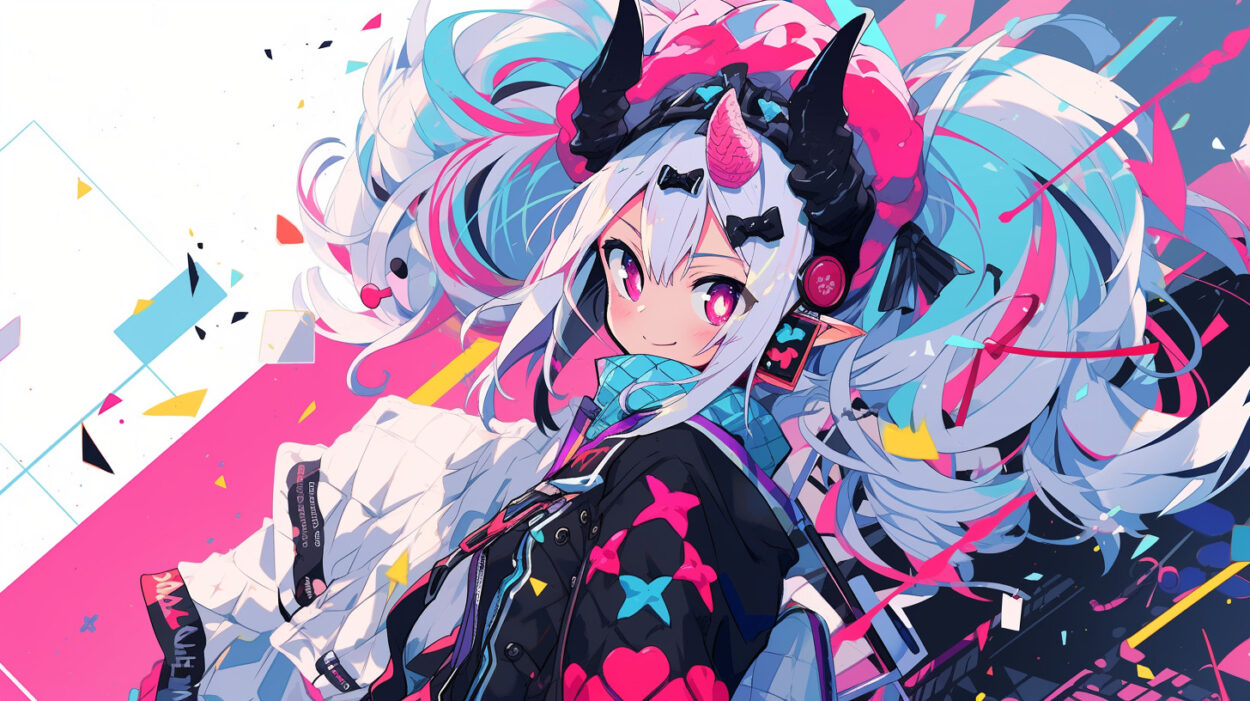
Otaku Culture: What It Really Is, Why It Sticks, and How It Changed
I used to think otaku culture was just anime, merch, and people being a little too online.
Then Tokyo happened to me.
Not in the dramatic way people like to pretend. More like a slow, glittering takeover. One night I am taking the train home with a Book Off bag digging into my wrist, the next I am rearranging my apartment around art books, acrylic stands, and the exact lighting that makes a shelf look like a tiny shrine. That is when it clicked for me: otaku culture is not just a hobby. It is a way of organizing desire, taste, and identity.
And yes, I mean that sincerely.
Quick Answer
Otaku culture is the dense world of anime, manga, games, idols, figures, cosplay, fan art, doujinshi, character goods, and the rituals people build around them. It is not just “liking anime.” It is caring enough that the things you love start shaping how you dress, decorate, talk, collect, and even how you think about yourself.
For me, that is the real story. The merch is visible. The attachment is the engine.
What Otaku Culture Really Is
When people say otaku culture, they usually mean the obvious surface: anime shows, manga shelves, figure displays, gaming corners, and fandom events that look colorful from the outside. That is part of it, but it is not the whole thing.
Otaku culture is what happens when obsession becomes a language. It is when a character design can change your taste in clothes, a soundtrack can alter your mood for weeks, and a single fandom can give you more belonging than a dozen “normal” social spaces ever did.
I think that is why the culture survives every time people declare it dead. It is too emotionally useful to disappear.
The Stigma People Still Carry
There is still a lazy outside stereotype that otaku are either socially broken shut-ins or harmless nerds with too many posters. Both versions flatten the truth into something convenient and rude.
Yes, the culture can hold loneliness. It can hold escapism. It can hold awkwardness, compulsive spending, and weird parasocial habits. I am not interested in pretending otherwise.
But it also holds real craft. Real visual literacy. Real emotional intensity. Some of the smartest people I know can talk for an hour about color scripts, character arcs, or why one pose communicates more vulnerability than another. That does not feel pathetic to me. That feels alive.
The bad version of otaku culture is isolation without reflection. The good version is obsession turning into taste, community, and art.
Fashion Is Where It Leaks Out
One of my favorite things about otaku culture is how it escapes the screen and shows up in clothes.
You do not need to cosplay to dress like a fan. Sometimes it is subtler: a color palette borrowed from a heroine, a hair clip that quietly echoes magical girl styling, a tote bag with a character pin that only the right person would notice, or an ita bag that says more about your emotional life than your bio ever could.
I love that. I love when fandom stops being hidden and starts becoming style.
Tokyo makes that easier to see because the city itself already understands how identity works through surfaces. Harajuku, Shibuya, Akihabara, even a plain train platform at night all teach the same lesson: people are always signaling something. Otaku just do it with more character art.
If you want the fandom-to-style bridge, this is also where pages like anime PFPs and famous anime illustrators start to matter. They are not side topics. They are part of the visual language.
Akihabara Is Iconic, But It Is Not The Whole Story
People outside Japan tend to treat Akihabara like the entire soul of otaku culture. I get why. It is loud, specific, and ridiculously good at making obsession feel legitimate.
You walk into Akiba and the city basically says, yes, your weird little niche absolutely exists. Here is an entire floor for it. Here is a wall of figures. Here is a gachapon machine that exists for exactly three people and one of them is you.
That feeling matters, especially if you grew up worrying your interests were too specific or too embarrassing.
But Akihabara is only one node in the network. Otaku culture also lives in Comiket crowds, secondhand stores, Discord calls, tiny cafes, convention halls, archive forums, fan translation circles, and the weirdly emotional silence of someone standing in front of a merch shelf deciding whether they can justify one more purchase.
Akiba is the billboard. The rest is the bloodstream.
Community Is The Part People Underestimate
People act like otaku culture is solitary because it can be awkward to explain to outsiders, but that misses how social it really is.
Fandom gives people reasons to gather. It gives them shared language, inside jokes, taste wars, and the relief of being understood without a long introduction. I have seen shy people become incandescent the second they met someone who knew their exact niche. Suddenly the “quiet” person is explaining their favorite ship dynamics, their favorite key visual, or why a background character’s one scene mattered more than the plot.
That is community. Not polished. Not always healthy. But real.
And if you want to see how that community expresses itself online, look at the way people share top anime waifus and what a waifu is. Those pages are not just definitions. They are social nodes. They are where taste becomes conversation.
Waifu Culture Is Part Of Otaku Culture, Not Separate From It
I think people make waifu culture sound more shallow than it is because they want an easy joke.
Sure, the word is funny. It started as fandom slang and got bent into a million meanings. But at its core, waifu culture is really about attachment: a character that hits your nervous system in a way you did not plan for.
Sometimes it is attraction. Sometimes it is comfort. Sometimes it is style. Sometimes it is the exact emotional balance you were missing. Sometimes it is just “this fictional girl has ruined my standards forever.”
That is why I do not think waifu culture sits outside otaku culture. It is one of the clearest expressions of it.
If you want the deeper definition, I would pair this page with define waifu and then move into top anime waifus. That sequence tells the story better than a dictionary ever could.
How Otaku Culture Changed In 2026
2026 feels different because otaku culture is no longer hiding in the margins.
Anime is mainstream in a way it simply was not a few years ago. Streaming makes new series immediate. Short-form edits turn characters into micro-celebrities overnight. Collector culture is faster. Fan discourse is louder. AI fan art and image tools have made the visual layer of fandom easier to produce, easier to remix, and easier to spam.
That speed has good and bad effects.
The good part is that fandom is more visible, more global, and more accessible. The bad part is that everything can start to feel disposable if the only thing anyone values is velocity. I miss how handmade some corners used to feel. I also know the old days were not some sacred purity test. They were just smaller.
So in 2026, the question is not whether otaku culture changed. It obviously did. The real question is whether it can stay intimate while the machinery around it gets bigger, faster, and more commercial.
Why I Still Care About It
Because otaku culture makes room for intensity.
It makes room for specificity. For taste. For ridiculous devotion. For style that means something. For the kind of longing that shows up in your wardrobe, your profile picture, your bedroom shelf, and the way you talk about fictional people like they are emotionally important, because sometimes they are.
That is also why the adjacent pages matter: anime PFPs for identity signaling, famous anime illustrators for visual literacy, top anime waifus for fandom taste, and define waifu for the emotional core underneath the joke.
All of it belongs to the same ecosystem.
Read These Next
FAQ
What is otaku culture?
Otaku culture is the fandom ecosystem built around anime, manga, games, figures, cosplay, character goods, and the habits, language, and communities that grow around them.
Is otaku culture the same as liking anime?
No. Liking anime is a preference. Otaku culture is a deeper identity and community layer that often shapes taste, style, collecting, and daily life.
Why is Akihabara so important to otaku culture?
Akihabara became a visible center for fandom retail, merch, games, and themed spaces, so it functions like a symbolic home base for the wider culture.
How did otaku culture change in 2026?
It became faster, more visible, and more global through streaming, short-form edits, collector culture, and AI-assisted fandom content, while still relying on the same core need for attachment and community.


Leave a Comment